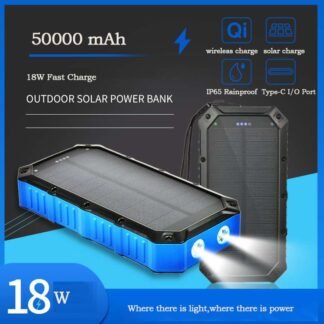
Uses and General Applications
What Are Off-Grid Solar Energy Solutions?
Off-grid solar energy solutions refer to the use of solar power systems that operate independently of the traditional electricity grid. These systems harness energy from the sun, converting it into usable electricity for various applications. Off-grid solar energy solutions can power homes, businesses, and remote locations without relying on conventional energy sources.
Common Applications of Off-Grid Solar Energy
Off-grid solar energy solutions are particularly beneficial in several scenarios. Rural areas, where access to the grid is limited or non-existent, can leverage these systems for reliable electricity supply. Additionally, off-grid solutions are commonly used in cabins, mobile homes, and tiny houses, allowing owners the freedom to live sustainably.
Furthermore, these systems are ideal for emergency preparedness in regions prone to natural disasters. By ensuring a continuous power supply, homeowners can maintain essential services during outages. Commercial ventures like remote research stations, agricultural setups, and outdoor events also utilize off-grid solar to meet their energy needs efficiently.
Advantages of Off-Grid Solar Energy Systems
Implementing off-grid solar energy solutions offers numerous advantages. Firstly, they promote energy independence, eliminating reliance on utility companies. Secondly, solar systems significantly reduce energy costs in the long run, despite initial investment requirements. Thirdly, they contribute to environmental sustainability, leveraging a renewable energy source that minimizes carbon footprints. Overall, off-grid solar energy solutions serve as a practical alternative for those seeking reliable, sustainable power in a variety of settings.
Using Off Grid Solar Energy Solutions in Rural Areas
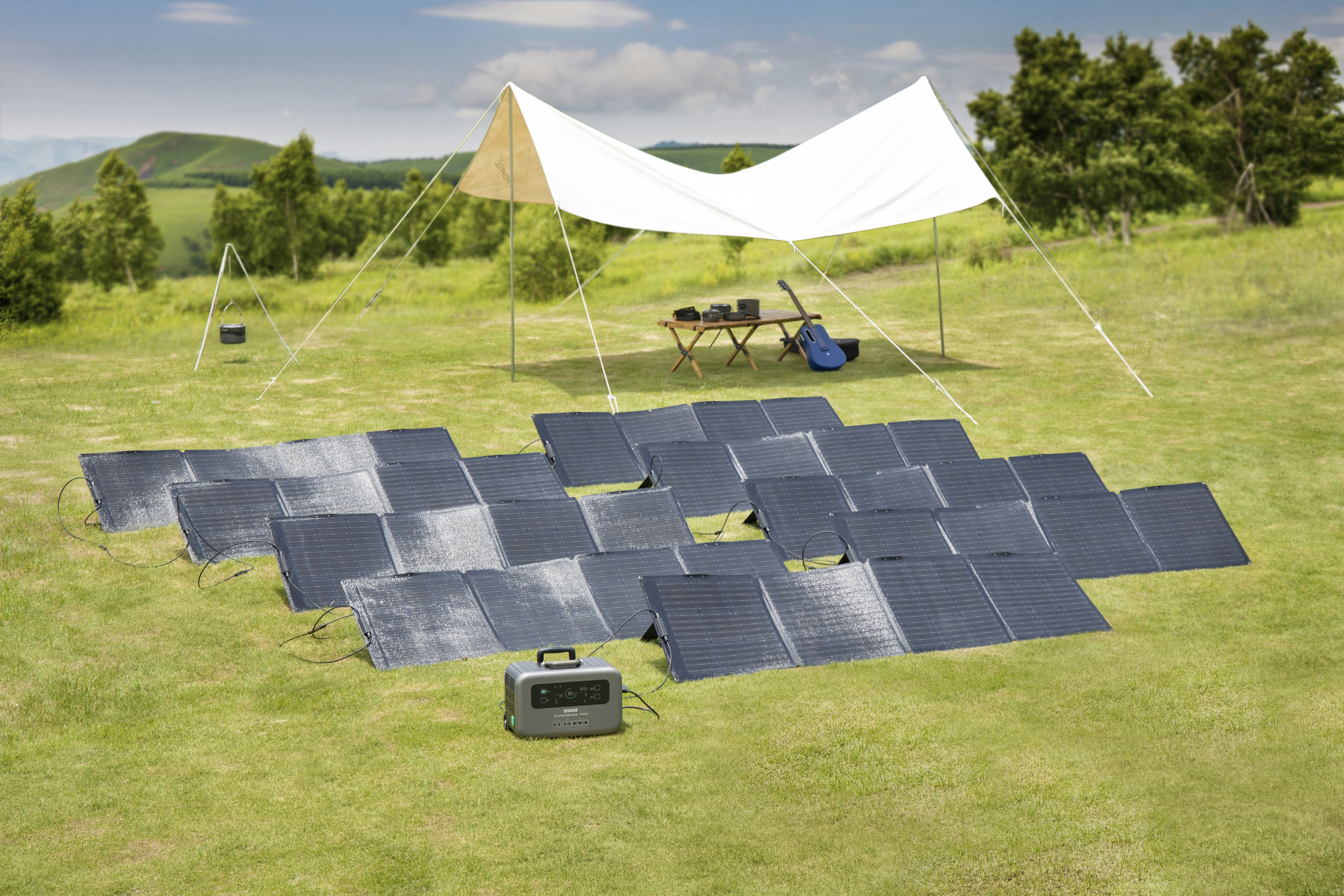
Introduction to Off-Grid Solar Solutions in Nigeria
Access to reliable electricity remains a challenge in rural areas of Nigeria, hindering social and economic development. Off-grid solar solutions offer a sustainable and innovative approach to overcome these challenges. With abundant sunlight available year-round, solar energy presents an effective avenue for rural electrification.
Benefits of Off-Grid Solar Solutions
Implementing off-grid solar systems provides numerous benefits to rural communities. Firstly, it enhances energy security by reducing reliance on erratic grid electricity or costly fossil fuels. Solar solutions promote environmental sustainability by lowering carbon footprints. Moreover, they stimulate local economies by creating job opportunities within the solar installation and maintenance sectors.
Challenges and the Way Forward
Despite the significant advantages of off-grid solar solutions, challenges persist. High initial installation costs, lack of financing options, and limited technical know-how can impede their adoption. However, government support, public-private partnerships, and increased awareness through community engagement can foster growth. Investment in training programs for local technicians will ensure that these communities can maintain and operate their systems efficiently.
In conclusion, off-grid solar solutions represent a viable pathway towards achieving energy access in rural Nigeria. By leveraging the abundant solar resources, we can foster sustainable development, empower local communities, and ensure a brighter future for all.